Quick Answer
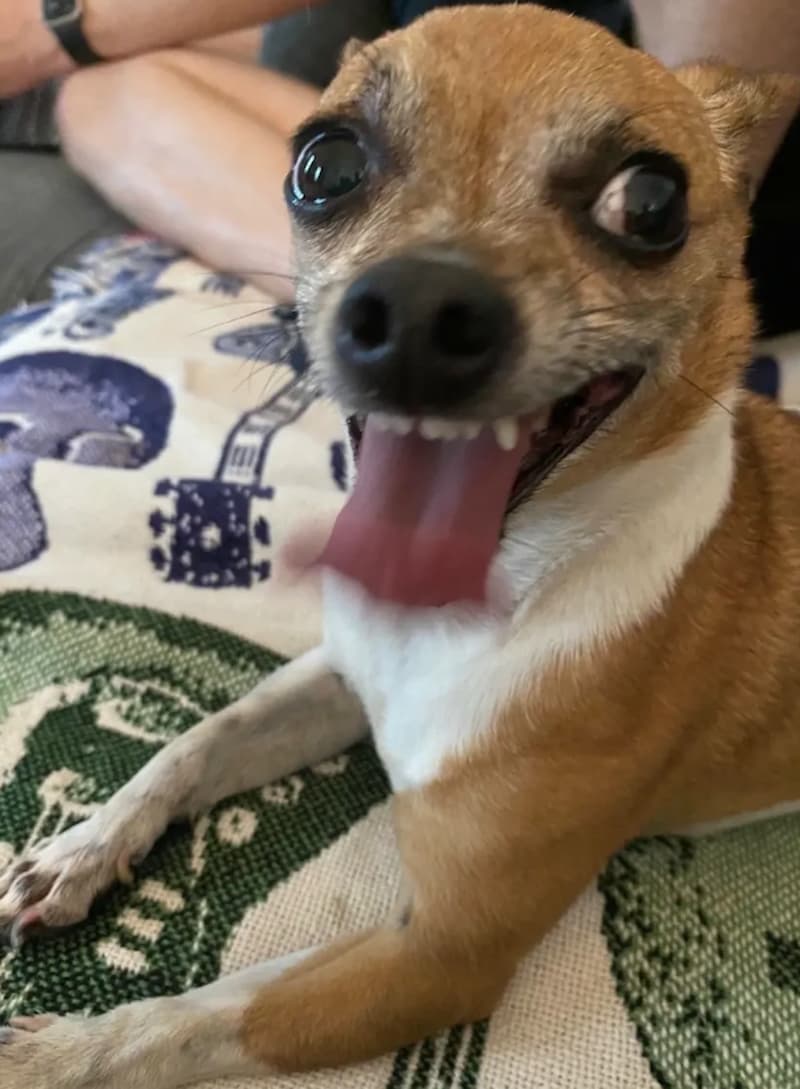
A dog with a strong prey drive is one of the best gopher detection tools you have. They can locate active tunnels by scent alone, alert on live runs before you’d ever see a mound, and if they’re fast enough, catch gophers at the surface. Taco was a chihuahua — not exactly the breed that comes to mind for pest control — but he had the drive and that’s what actually matters. This method is real, and it works.
The Gear
- One motivated dog (terriers are well-known for this, but Taco was a chihuahua — any dog with real prey drive and focus will do)
- A yard
- Patience while your dog investigates every single inch of turf at their own pace
For the Close — After the Dog Finds the Run
Victor Easy Set Gopher Trap
The dog does the detection; the trap does the job. Once your dog marks a run, set two Victor traps back-to-back facing opposite directions — the gopher has nowhere to go.
Best for: Setting in the exact runs your dog has already confirmed are active — no guesswork, no wasted sets.
Shop Victor Traps on Amazon →What Makes a Good Gopher Dog
- High prey drive — the dog should be obsessed with smells and movement, not just curious
- Terrier instincts help, but aren’t required — Taco was a chihuahua and had all of it naturally; what you’re looking for is a dog that works independently and stays locked on a scent
- Focus — a dog that gets distracted by squirrels, people, or its own tail is not going to be useful
- Size — small to medium is ideal. Big dogs can alert but rarely fit the geometry of the work
Taco’s stats: Chihuahua. Extremely high prey drive. Located active runs the probe couldn’t find. Track record included multiple confirmed catches at tunnel openings and one legendary three-hour alert on a dry hole that ended in a 2-pound gopher. Never doubt the whiskers.
The Process
- Let the dog work the yard on a long lead or off-leash in a fenced area. Don’t direct them — let the nose take over.
- Watch for sustained interest in a specific area. A dog that circles back to the same spot, digs shallowly, or goes low and sniffs intensely is telling you something.
- Mark any spots the dog fixates on. Probe those areas — the dog is usually right.
- Set traps in the runs the dog identified. Let them do the scout work; you do the close. For gear, see The Armory.
- If the dog is fast and the gopher surfaces — that’s between them. Nature is nature.
Bagger Pro-Tip
The dog is reconnaissance, not the whole operation. Taco could find a run that would take me twenty minutes of probing to locate. But Taco didn’t set traps. Use your dog to shorten the detection phase, then finish the job with the right method. That combination covers both ends of the job better than either one alone.
Safety Warning
If you’re running poison bait anywhere on the property, keep the dog out of those areas completely. A dog that hunts gophers is at elevated risk of secondary poisoning from a bait-killed gopher. Don’t mix the Taco Method with any poison-based approach — it’s not worth it.
Get the Gear
The only gear the Taco Method requires is a good dog. But when it’s time to set the trap after the dog finds the run: Shop Victor Gopher Traps on Amazon →
Which trap goes in that run is the whole question — I compared them on my gopher trap picks.