The Origin Story
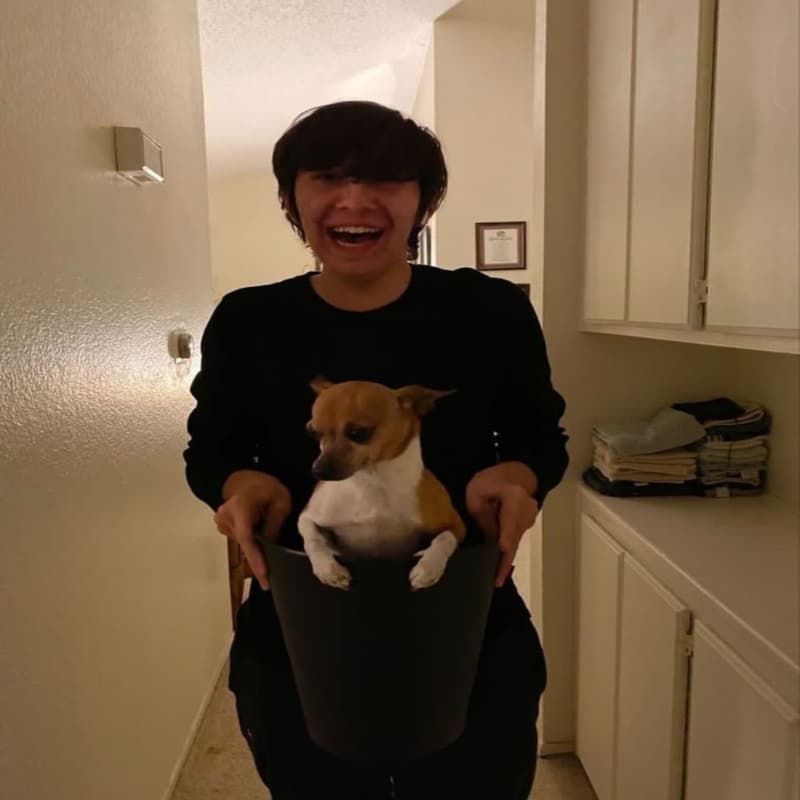
I'm Mark. The "Bagger" part isn't a brand name — it's what you are when you've been pulling gophers out of the ground since you were 15 years old and your dad was paying you $5 a head to keep his yard intact.
That's where this started. My dad had a gopher problem, and instead of hiring someone, he handed it to me. Five bucks per catch. At first I was just trying to make money. But gophers are stubborn, and if you want to catch them consistently, you have to actually understand how they move, where they run, and what gets them to commit to the trap.
So I studied it. I dug up bad sets to figure out why they didn't fire. I tried different bait placements, different tunnel depths, different trap orientations. Over time it stopped being a chore and became a real skill. I got good at it — genuinely, repeatably good.
That's the only credential I have: years of digging in the dirt, keeping track of what worked and what didn't, and a yard that eventually stopped having gophers in it.
Redlands is also just a genuinely difficult city for gophers — the soil, the irrigation, the old citrus grove footprint. I wrote up why that city has so many of them and what I learned trapping there →
I also post sets and catches on TikTok and YouTube — same yard, same traps, just on video.
The Legend of Taco
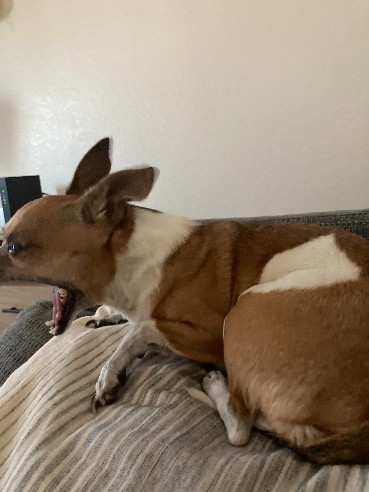
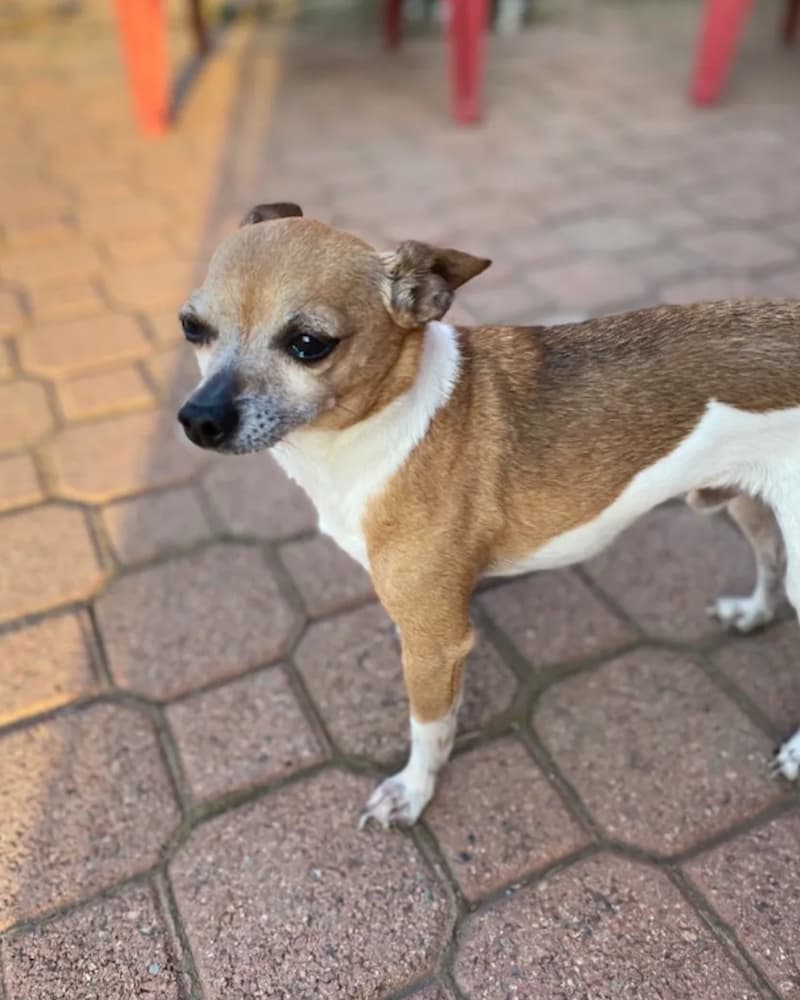
Every serious trapper needs a scout, and for years, that was Taco. He was a chihuahua with a prey drive that was frankly unsettling in the best possible way. He didn't need to be trained to hunt — he just was.
The way it worked: I'd run the probe and look for tunnel lines while Taco worked the yard on his own terms. He could locate an active run by smell before I'd find it by probing. He'd circle back to the same patch of grass, go low, sniff hard, then look at me. That meant set a trap there. He was right more often than not.
When a gopher came up near a mound — which is rare, but it happens — Taco was faster than any trap. His method was the "wait and pounce," and he had it dialed in. Between the two of us, no gopher had a good time in our yard.
Taco has since passed. The yard's been clean for a while now — I like to think we finished the job together. This site is partly his legacy too. Everything I know about locating active runs, reading the ground, and working fast — a lot of that I learned with him.
Why I Built This Site
After the yard was clear and Taco was gone, I had all this accumulated knowledge sitting in my head with nowhere to go. And every time I'd search something gopher-related online, I'd get generic listicles, AI-generated fluff, or affiliate farm sites trying to sell me the 7 Best Gopher Repellents (none of which work).
I built this site to put real information online. The kind of thing I wish existed when I was 15 and digging around in my dad's lawn trying to figure out why a gopher kept evading my traps.
My trap and gear picks come from real field experience — when I say a method works, it's because I've used it. Where I haven't personally tested something, I say so and stick to what the research shows instead of pretending otherwise. I'm not a pest control company, I'm not an exterminator with a license, and I'm not pulling from textbooks. I'm a guy who got really good at one specific thing over a long time and decided to write it down.
How I Test and What I Don't
I've personally used and tested: Victor Easy Set traps, Victor Black Box, Cinch traps, a soil probe, gopher wire mesh, flooding runs with Taco, the underground bait applicator with zinc phosphide bait, gopher gassers, gopher-resistant plants, mole traps, sonic stakes in my own front yard during a heavy season, and dog hunting with Taco.
I have never used: exclusion fencing, pressurized CO burrow devices, castor oil repellent, hiring a professional trapper, barn owl boxes, or diphacinone (an anticoagulant bait that's now prohibited for residential use in California anyway). Every method page for something I haven't personally tested says so up front, and I stick to what the research says instead of pretending otherwise.
That research is UC IPM's Pest Notes on Pocket Gophers — it's the source I cite throughout this site for anything I haven't verified myself in the yard.
Affiliate links don't change what I recommend. I earn a commission on some of the gear I link, but the method and product picks come first — if something hasn't earned a spot in my own kit, it doesn't get a "best" badge just because it has a link attached.
What I Actually Know
No formal certifications. No pest control license. Just hands-on time with traps, probes, gassers, and bait stations across years of active work in a real yard with real gophers.
Here's what I can honestly say I know well:
- Trap selection and placement — Victor vs. Cinch, when to use each, why most people set them wrong
- Tunnel reading — how to find a main run, how to tell an active tunnel from an abandoned one, how deep to go
- Gopher behavior — how they move, how they respond to disturbance, why they backfill
- Burrow fumigation — when it makes sense, how to do it without wasting canisters
- Barrier installation — gopher mesh, hardware cloth, what gauge actually holds
- Working with a dog — specifically a dog with a strong prey drive — Taco was a chihuahua, proof that size has nothing to do with it, and how to use that to shorten the detection phase
I also know what doesn't work — and I'll say so plainly rather than just point you at something that earns me a commission.
Contact
Got a stubborn yard destroyer you can't figure out? Shoot me an email at [email protected].
I read them. I don't always reply fast, but if you describe your situation clearly I'll usually have something useful to say.
Frequently Asked Questions
How did Mark learn to trap gophers?
Mark started at 15, trapping gophers in his father's yard in Redlands, CA for $5 a head. Over years of active work — digging up failed sets, testing different techniques, and working alongside his dog Taco — it became a repeatable skill rather than guesswork.
What gopher control methods does Mark recommend?
For most active gopher problems, Mark recommends starting with Victor or Cinch-style mechanical traps placed in the main tunnel run. They're reliable, affordable, and require no chemicals. See The Playbook for step-by-step guides on each method.
Does Mark offer gopher removal services?
No — Mark doesn't do paid trapping. This site is DIY instruction and gear picks. If you'd rather hire it out, the trapper referral page can connect you with a licensed local trapper — Mark may be paid for the referral, which costs you nothing extra. For specific questions about your yard situation, email [email protected] and Mark will share what he knows.
What credentials does Mark have?
No formal certifications or pest control license — just years of hands-on experience with traps, probes, gassers, and bait stations across real yards with real gophers. The expertise comes from field testing, not textbooks.