Victor Trap Tunnel Intercept
Use classic Victor pinch traps in active main runs for fast, repeatable captures.
Difficulty Medium
Speed Often within a day or two
Best for Active main tunnel runs
From Mark the Bagger — trapping gophers since age 15.
Updated October 2026
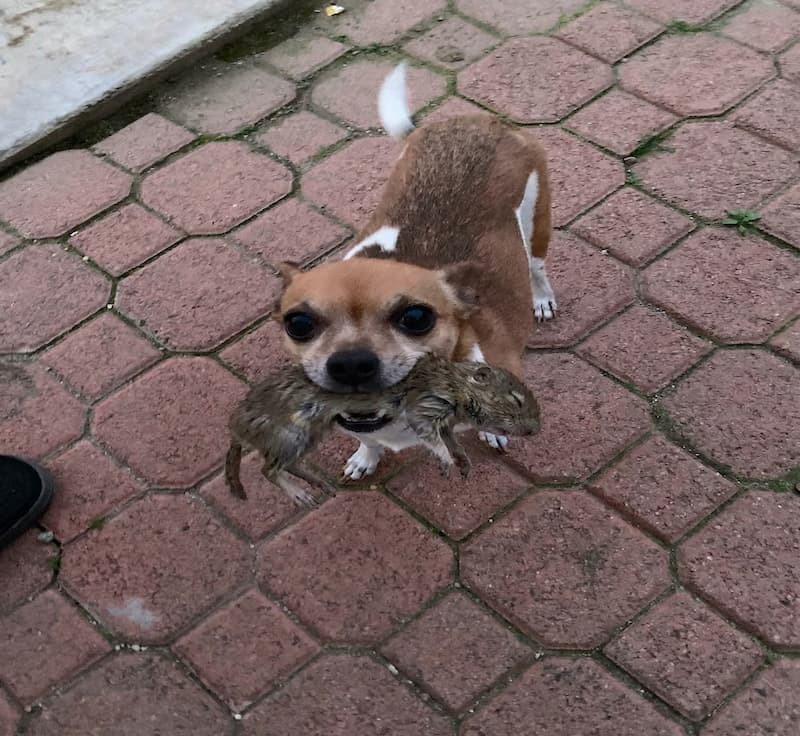
I started catching gophers at 15 for $5 a head. My dog Taco was my partner. Over the years I built up real hands-on knowledge of what works — and what's a waste of time. This site is where I put all of it. No filler. I earn a commission on purchases; brands don't pay for placement. My trap and gear picks come from real field experience — more on who I am and how I got into this. Where I haven't used something myself, I say so and stick to what the research shows.
Gopher or mole? Fresh mound or old spoil? Getting this right saves you from wasting time on the wrong fix.
Gopher vs Mole ID guide →Traps are the fastest. Barriers are the most permanent. Repellents buy time. Know which one you need.
Browse all methods →Mark's field-tested picks — no junk, no filler. The stuff that's actually in rotation on real jobs.
Visit The Armory →Scout, probe, set, check — in that order. Skipping steps is the most common reason people come up empty.
Follow the Quick Start guide →The three I reach for first.
Use classic Victor pinch traps in active main runs for fast, repeatable captures.
Deploy cinch-style traps in open tunnel runs for quick mechanical control.
Use underground wire mesh to physically block gophers from garden beds and root zones.
Dealing with something specific?
Browse all 11 problem guides →Mark's go-to traps and gear picks with direct Amazon links.
Quick StartNew here? This is exactly how Mark and Taco did it.
Spring (February–May) and fall (September–November) are the two peak activity windows. During spring, gophers are breeding hard and expanding territory fast — fresh mounds appear daily. Fall is the second major surge as they cache food for winter. Hit both windows hard and you stay ahead of the problem.
Feeding burrows run 6–12 inches underground, and the nest and food storage chamber can be as deep as 6 feet depending on soil type. In summer gophers work deeper to escape the heat.
A gopher mound is crescent or fan-shaped with a plugged hole off to one side. If the mound is a symmetrical volcano with a center hole, you have a mole — which requires completely different treatment. See the Gopher vs Mole ID guide for a full comparison.
A single gopher is often caught within a day or two with a properly placed trap in the main tunnel run — check daily, and if nothing happens in 1 to 2 days, move the trap. Complete elimination depends on how many gophers are present and whether new ones are migrating in from neighboring yards. No new mounds for 5–7 consecutive days is a good monitoring signal the gopher is gone — not proof, since a gopher can sit quiet underground for a few days without pushing fresh soil. If mounds resume, it's active again.